thermodinamic Process, ice cream machine maker
Created by: Barbara Lomeli, Matias Valenzuela, Fernnada Macias, Karla Serrano, Juan Carlos Gonzalez

Created by: Barbara Lomeli, Matias Valenzuela, Fernnada Macias, Karla Serrano, Juan Carlos Gonzalez
The Automatic Ice Cream Maker Machine is a project designed to demonstrate phase changes and thermodynamics in a fun and interactive way. The machine allows students to observe how a liquid mixture turns into solid ice cream through cooling and then melts again when heat is applied. This project combines science, technology, and creativity while helping people better understand heat transfer and changes in matter.
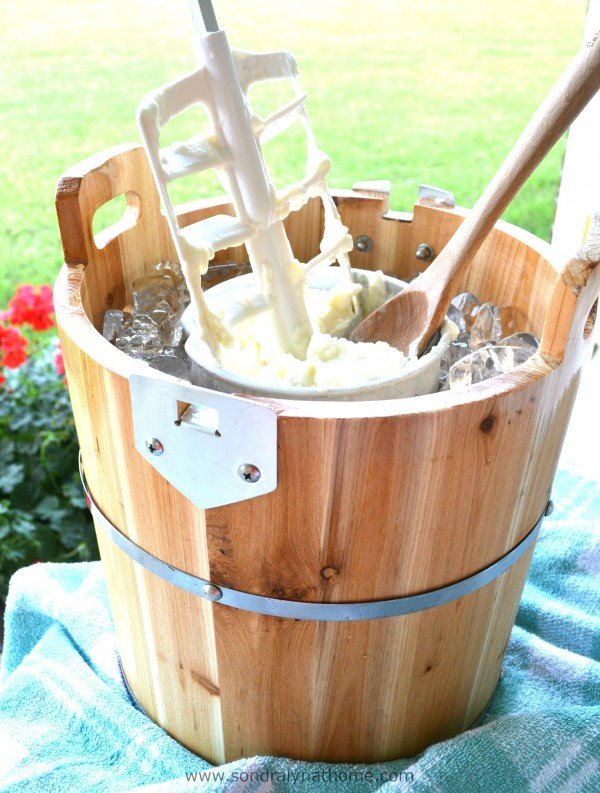

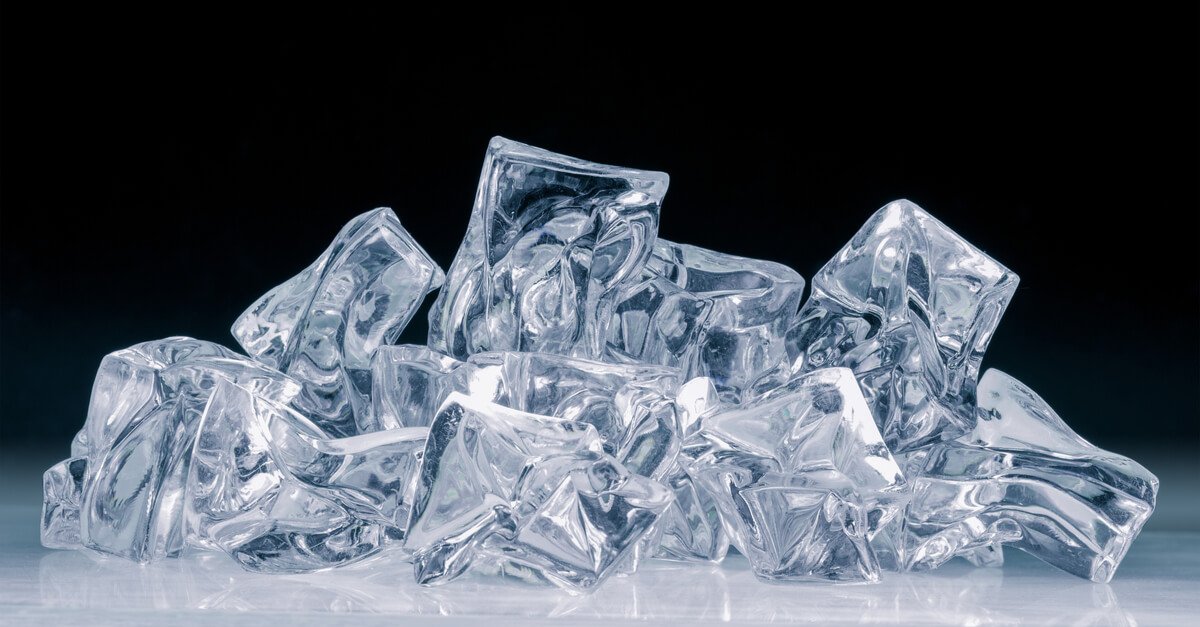
In an ice cream maker, the process is driven by conduction, freezing point and depression. Because the liquid cream mixture has a freezing point below that of pure water, standard ice isn't cold enough to solidify it. Adding salt to the surrounding ice lowers its melting point, creating a super-cooled brine. This temperature gradient allows heat to be pulled out of the cream and into the ice through the walls of the container. As the ice absorbs this energy to melt a process known as the latent heat of fusion, the cream loses enough thermal energy to undergo its own phase change from liquid to solid.
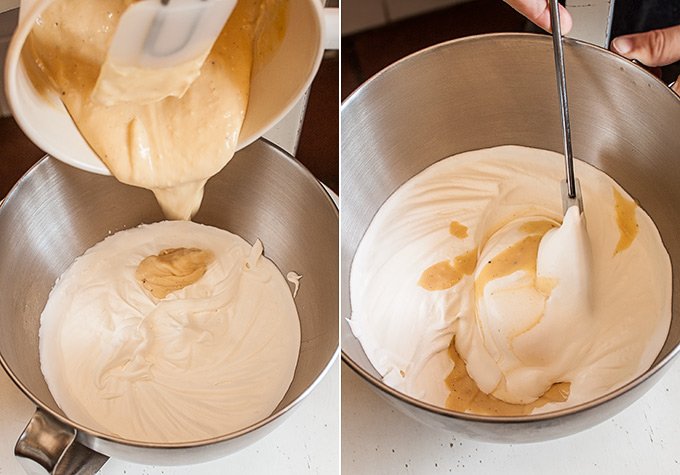
To ensure a smooth texture rather than a solid block of ice, me cheanical work and entropy management are required. By churning the mixture, you continuously break up forming ice crystals and incorporate air, which changes the density and mouthfeel of the final product. This physical agitation ensures that heat transfer occurs uniformly throughout the mixture, preventing the outer edges from freezing solid while the center remains liquid. The result is a balanced thermodynamic system where controlled energy loss and mechanical aeration create the desired semi-solid state.

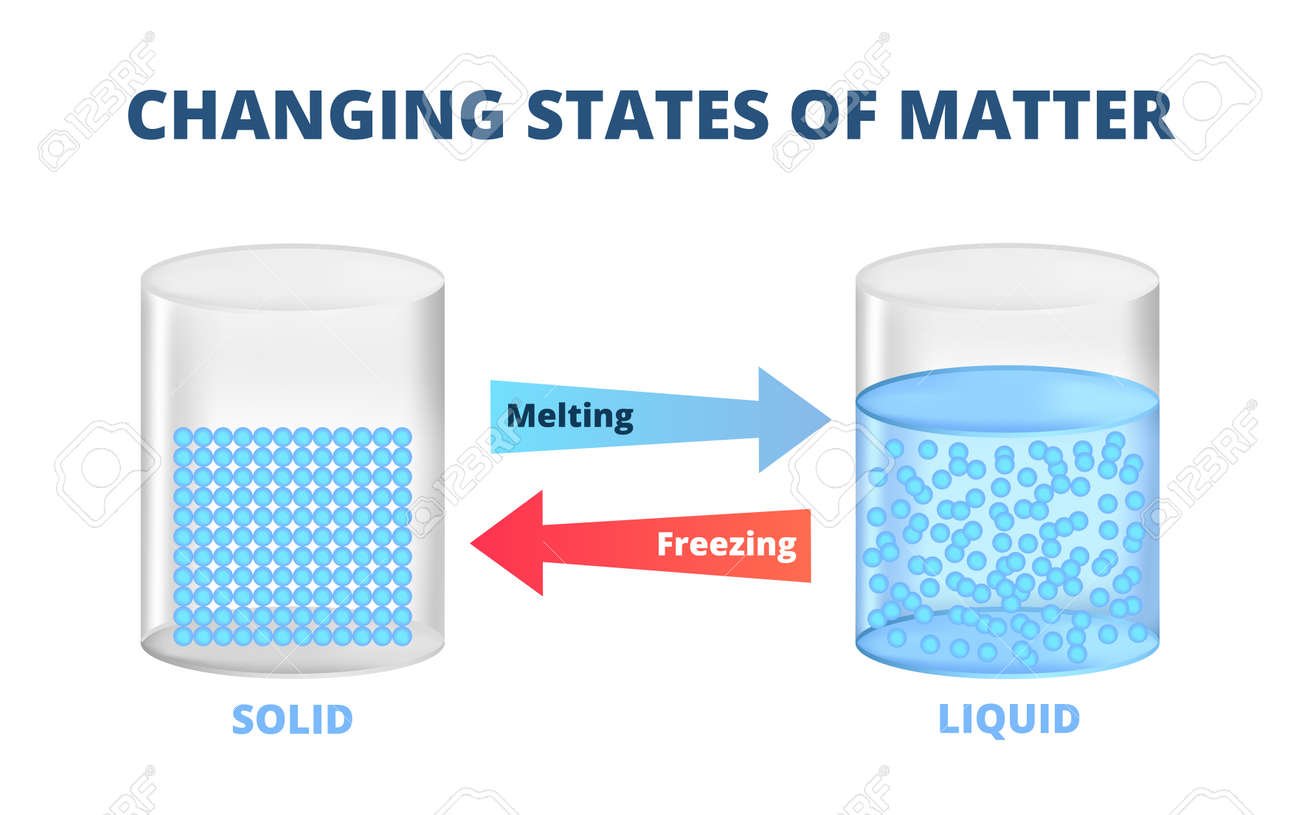
Our project is the elaboration of an ice cream machine to be able to understand the thermodynamics changes that it has.
Everyday life or industry application.
The product would be sell to the food industry, specifically to the frozen food industry, with the objective of selling the machine to ice cream stores and brand. Our machine can also be sold for personal use, this by selling the machine to supermarkets and online shopping apps , in order to let people do their own combinations and flavors for them to experiment and be able to make the most out of the machine, this since some people do not feel comfortable buying products (ice cream) because they have a lot of sugar, the stores sell it at a high price, or the flavors just are not of their taste, this is something that our product can help. If they have our machine, they will be able to do their ice cream with their preferred ingredients and recipes.
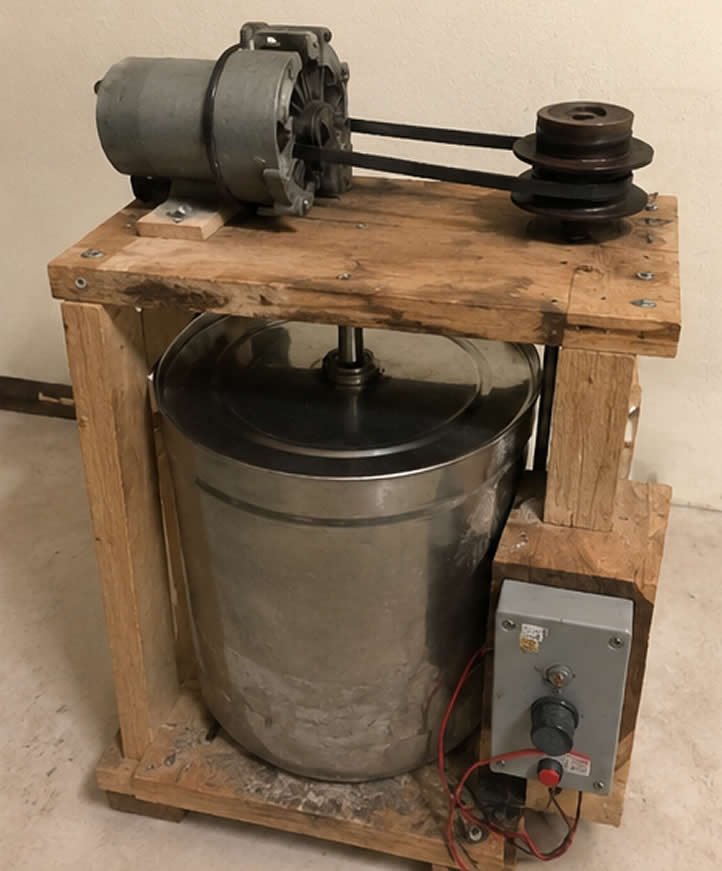
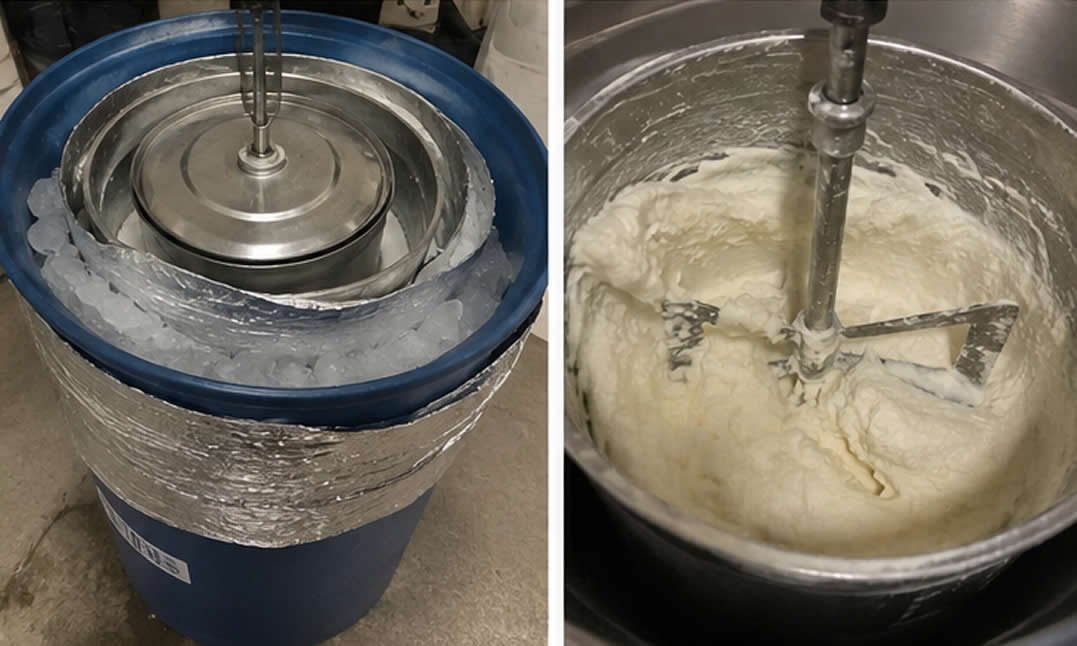

The system consists of a transparent outer cylinder with an internal rotating container where the liquid ice cream mixture is placed. Around the container, ice and salt are added to create a cooling system that removes heat from the mixture. A motor rotates the inner container to mix the ice cream evenly and improve the freezing process.
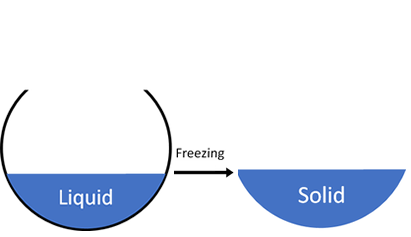
When the temperature decreases, the liquid mixture changes into solid ice cream through a process called solidification. Later, a heating plate can be activated to add heat energy, causing the ice cream to melt back into liquid form through fusion.
The machine uses electrical energy to power the motor, mechanical energy for the rotation movement, and thermal energy during the cooling and heating processes.

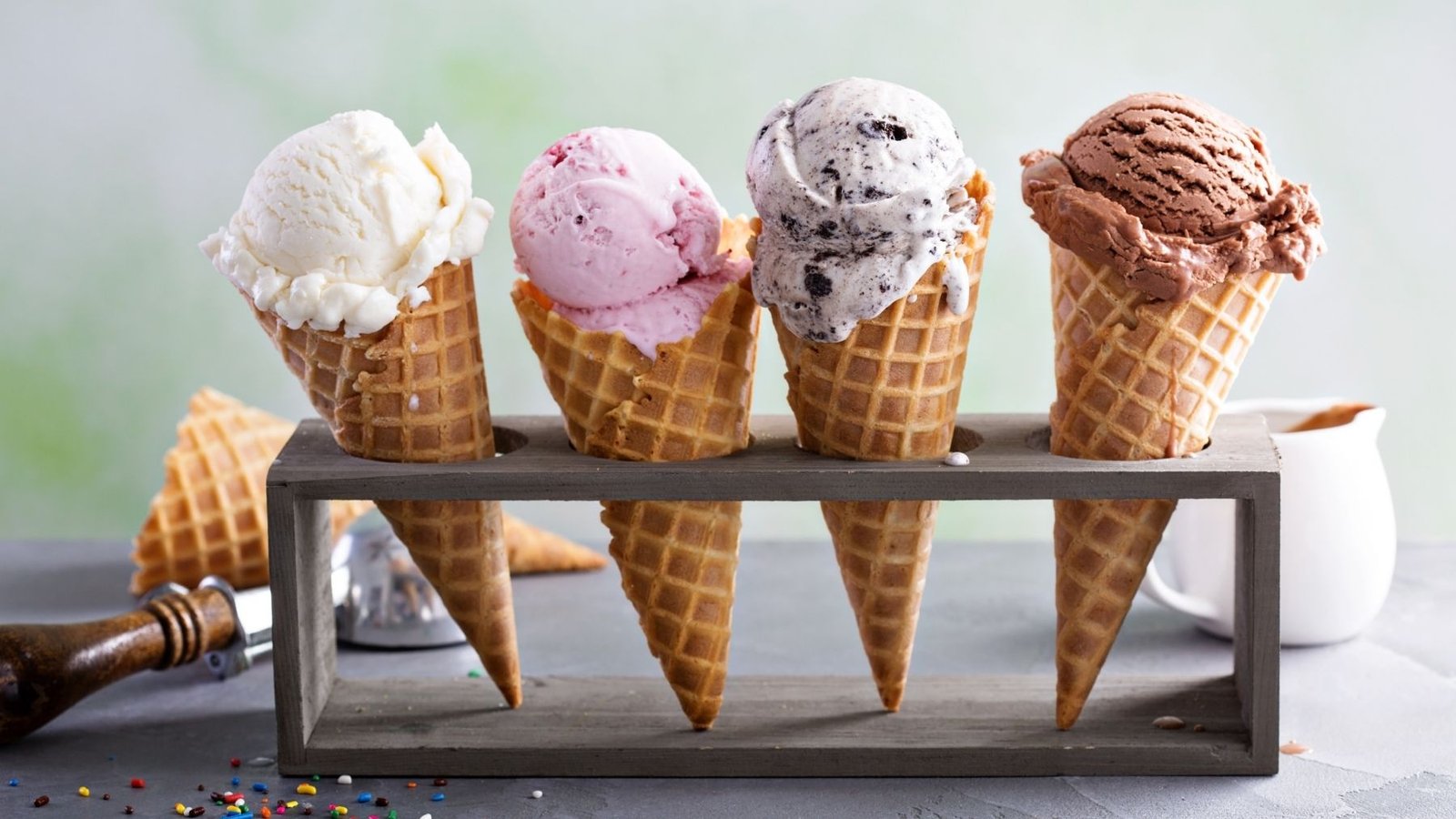
A homemade ice cream machine can be created using simple materials that help freeze and mix the ice cream at the same time, the process works because salt lowers the freezing point of ice making the temperature cold enough to freeze the cream mixture.
List of materials.

Step 1: In the small bag mix:
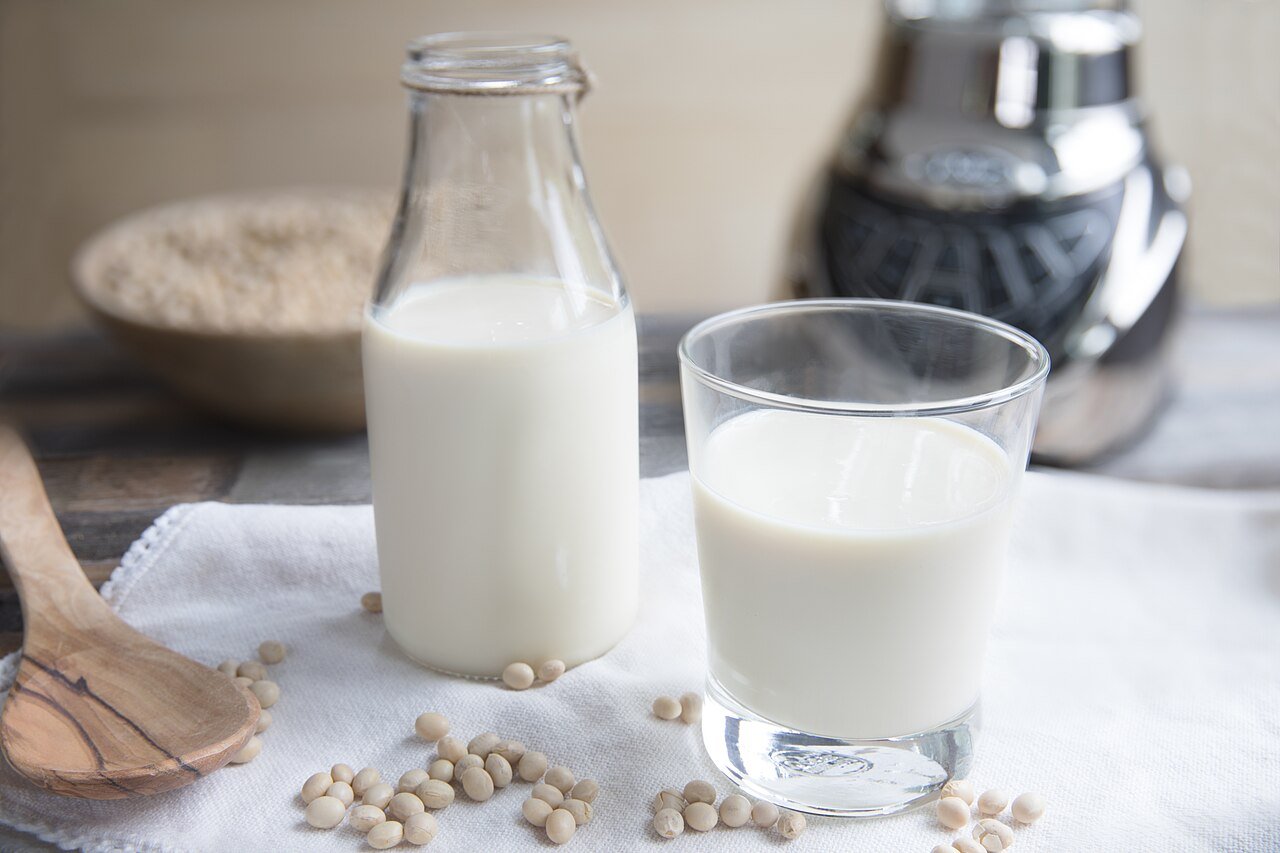
1 cup of milk or cream, 2 tablespoons of sugar, 1/2 teaspoon of vanilla extract
Step 2: Get a big metal can and a smaller can that fits inside.
Step 3:Put the icecream mixture in the small can and close it very tight.
Step 4: Fill the space between the cans with ice and a lot of salt.
Step 5: Make a handle or use tape so the small can can spin easley.
Step 6: Turn or roll the machine for about 20 minuts so the mixture freezes slowly.
Step 7: Add more ice if it starts melting to fast.
Step 8: Open the small can carefuly and the homemade icecream machine should make soft icecream.
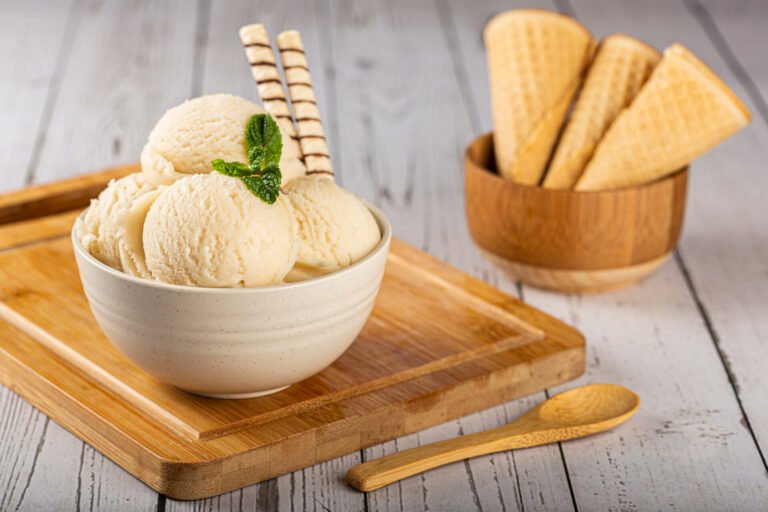
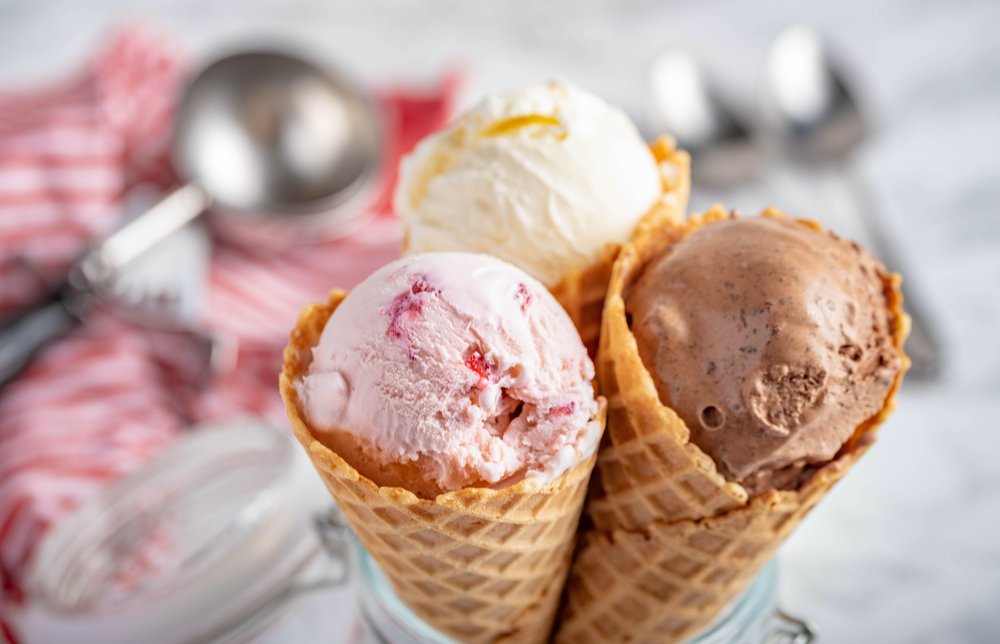
With the results obtained, we can have a clear and fun idea of how thermodynamics works. We observe that the mixture goes through several processes such as solidification and the melting process. With our project, in addition to learning, we can create good experiences and a delicious ice cream to share with others.
Our machine combines science, technology, and creativity. It helps students understand thermodynamics, heat transfer, and phase changes in a fun and visual way..